Baking the perfect cake isn’t just about following a recipe it’s about understanding why things work the way they do. After years of baking cakes for birthdays, weddings, and everyday celebrations, we’ve learned that small details make a big difference.
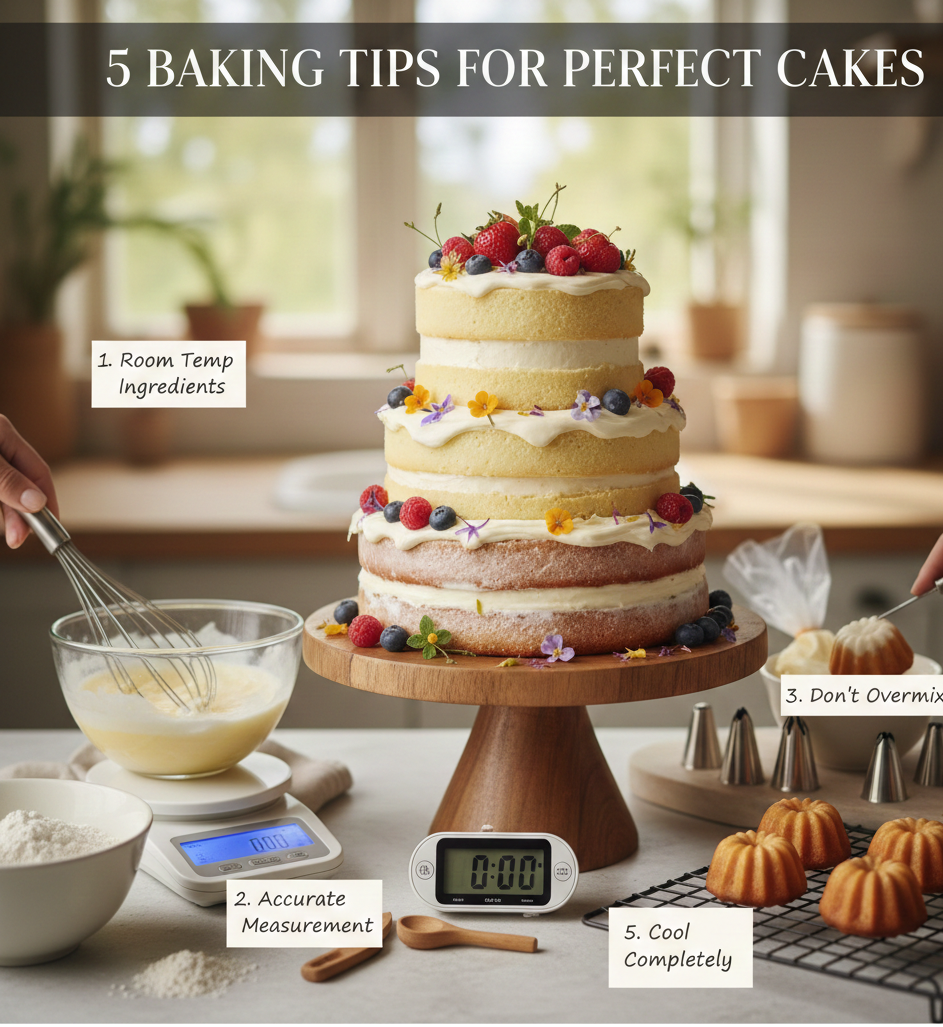
Whether you’re baking at home or just curious about what goes into a truly good cake, these five baking tips will help you achieve softer crumbs, better rise, and more consistent results every time.
1. Always Start With Room-Temperature Ingredients
One of the most common mistakes we see is using cold ingredients straight from the fridge. Butter, eggs, and milk behave very differently when they’re cold, and that directly affects the texture of your cake.
Room-temperature ingredients mix more evenly, trap air better, and help create a smoother batter. This results in cakes that rise properly and bake evenly instead of turning dense or uneven.
Baker’s tip:
Take butter and eggs out at least 30–45 minutes before baking. If you forget, place eggs in a bowl of lukewarm water for a few minutes, never hot.
2. Measure Ingredients Correctly (Accuracy Matters More Than You Think)
Baking is not forgiving when it comes to measurements. A little extra flour or sugar can completely change the final result.
Flour should be spooned into the measuring cup and leveled, not scooped directly from the bag. Scooping packs flour tightly, which leads to dry and heavy cakes.
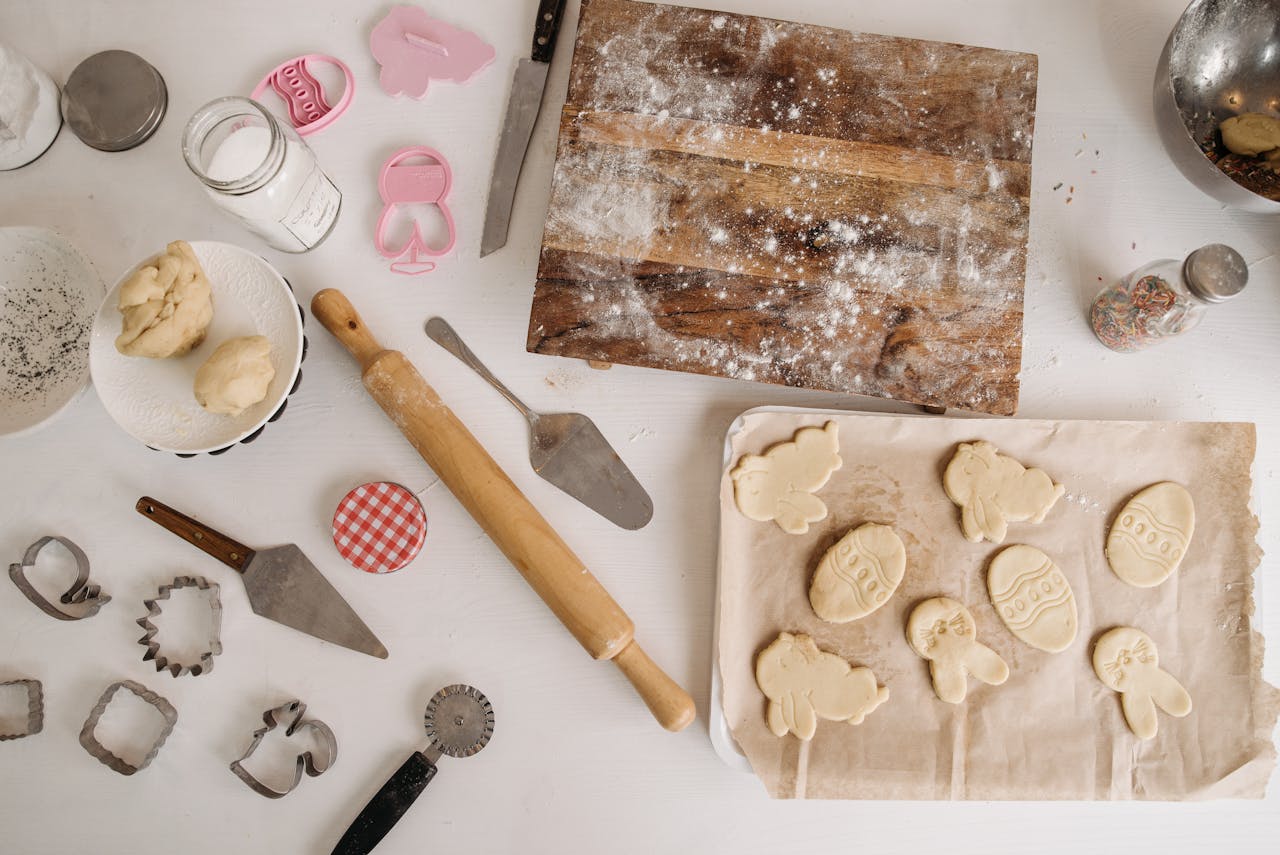
Liquid ingredients should be measured at eye level using a proper measuring jug. These small habits may seem minor, but they are often the difference between a professional-quality cake and a disappointing one.
Why this matters:
Consistent measurements lead to consistent results something every bakery relies on daily.
3. Don’t Overmix the Batter
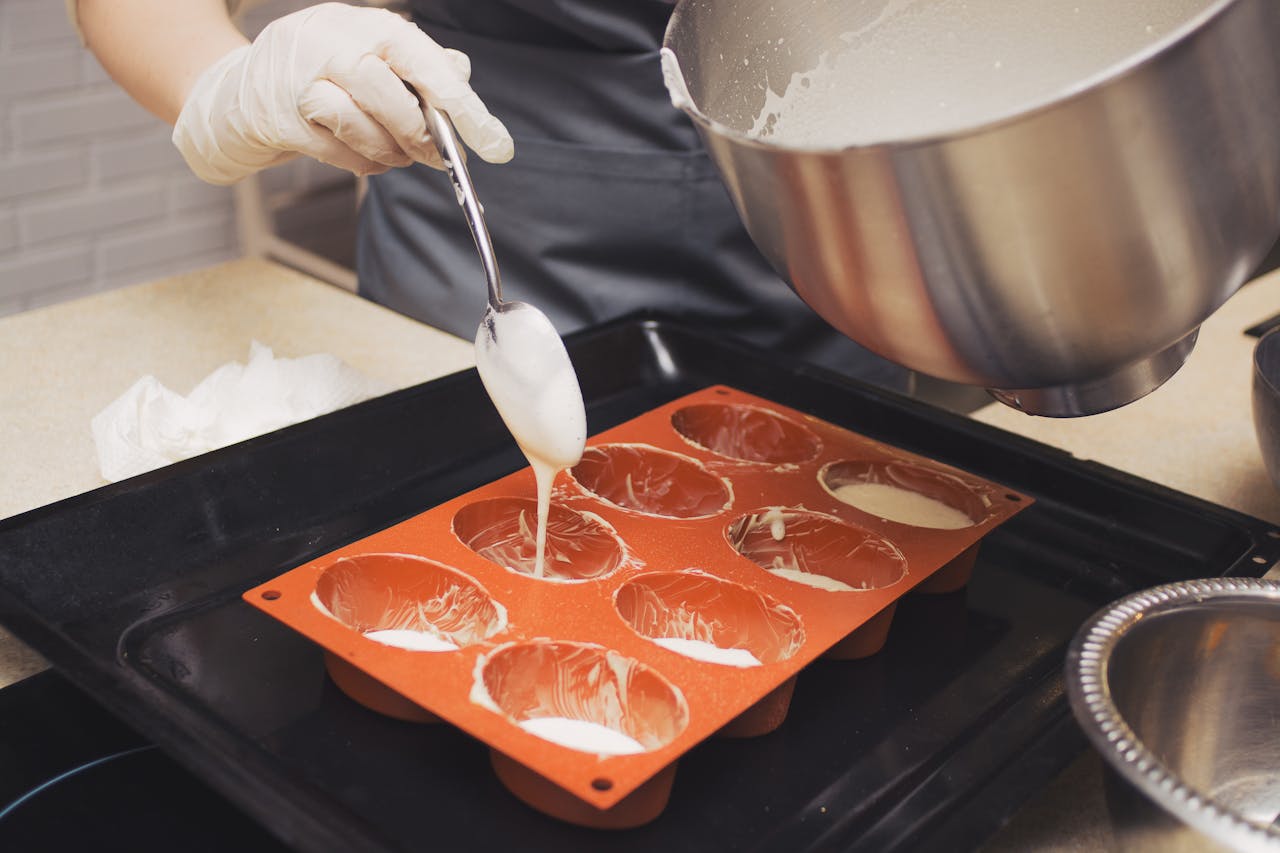
Overmixing is one of the fastest ways to ruin a cake’s texture. Once flour is added, mixing too much develops gluten, which makes cakes tough instead of soft.
The goal is a smooth batter not an overworked one. Mix just until everything is combined and no dry flour remains.
This is especially important for sponge cakes, vanilla cakes, and chocolate cakes where tenderness is key.
Baker’s rule:
If you’re using a mixer, slow it down once flour goes in. If mixing by hand, stop as soon as the batter looks uniform.
4. Know Your Oven (Every Oven Is Different)
Oven temperature plays a huge role in baking, yet it’s often overlooked. Many ovens run hotter or cooler than the dial suggests, which can lead to cracked tops, sunken centers, or dry edges.
Using an oven thermometer helps you understand your oven’s true temperature. Also, always preheat fully baking in a partially heated oven affects rise and structure.
Extra tip:
Avoid opening the oven door during the first 20 minutes of baking. Sudden temperature drops can cause cakes to collapse.
5. Let the Cake Cool Properly Before Frosting
It’s tempting to frost a cake as soon as it comes out of the oven, but patience pays off here. Frosting a warm cake causes melting, sliding, and uneven layers.
Allow cakes to cool in the pan for about 10–15 minutes, then turn them out onto a wire rack to cool completely. This helps the structure set and locks in moisture.
Professional bakeries always plan cooling time it’s part of the process, not an afterthought.
Final Thoughts From Us
As a professional baker, what I’ve learned over time is that great cakes aren’t rushed. The best results always come when you slow down, respect the process, and let each step do its job from creaming butter properly to allowing a cake to cool fully before decorating. If there’s one personal tip I’d share, it’s this: treat baking like a craft, not a shortcut. That mindset alone will improve your cakes more than any new recipe or tool ever will.
Perfect cakes aren’t about fancy equipment or complicated techniques. They come from understanding ingredients, respecting the process, and paying attention to small details.
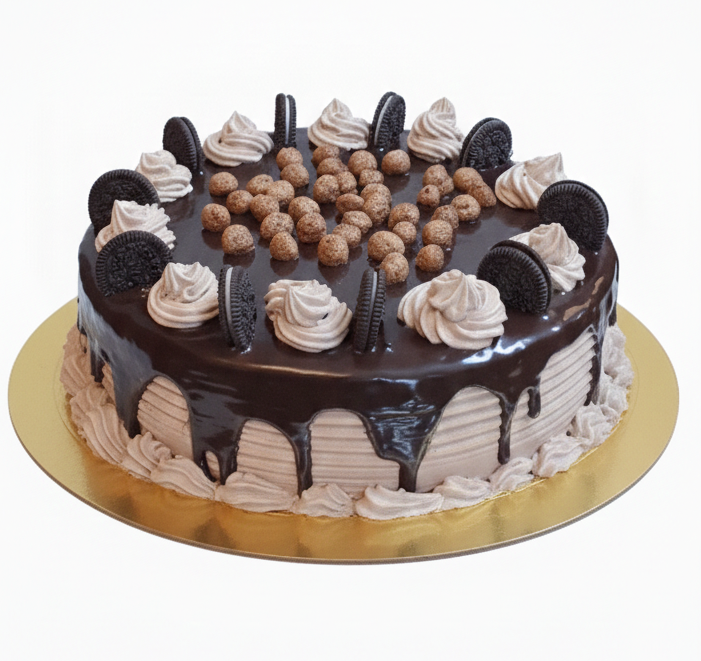
At our bakery, these principles guide every cake we bake from simple tea cakes to fully customized celebration cakes. The difference shows not just in how our cakes look, but in how they taste.
If you love cakes that are soft, balanced, and baked with care, you’ll always notice when the basics are done right.